Ryanair's published fleet is 647 aircraft. easyJet's is 356. That is the clearest gap in our data, and it is plain before you ask what either number actually counts.
Ask that question, though, and a neat league table of Europe's biggest budget airline fleets starts to need footnotes. Some airlines report a whole group. Others are counted as a single airline, with sister companies left out. The dates differ too. Below we set out the figures we hold, then explain why they are not like for like.
The order on paper
Ranked purely by the headline figure for each airline, largest first:
- Ryanair: 647 aircraft at 30 June 2026, whole group (Q1 FY27 presentation)
- easyJet: 356 aircraft at 31 March 2026, whole group (half-year report)
- Wizz Air: 276 aircraft at 2 October 2026, whole group (September 2026 traffic release)
- Vueling: 142 aircraft at 1 August 2025, airline only (Wikipedia fleet table)
- Pegasus Airlines: 131 aircraft at 30 June 2026, airline only (Q2 2026 investor presentation)
- Norwegian: 95 aircraft at 30 June 2026, airline only (second-quarter report)
- Eurowings: 90 aircraft at 1 May 2026, airline only (Wikipedia fleet table)
- Transavia: 53 aircraft at 19 October 2026, airline only (airline news release)
Two patterns jump out. Ryanair, easyJet and Wizz Air all report group totals, and every figure below theirs counts a single airline. And the dates run from 1 August 2025 to 19 October 2026, so this is a ranking of snapshots taken at different moments, not one census.
None of this tells you which airline suits you. Size says something about how many routes and bases an airline can sustain. Whether it fits your trip depends on where it flies from and what the fare includes, which is what the rest of this piece looks at.
Group totals: Ryanair, easyJet and Wizz Air
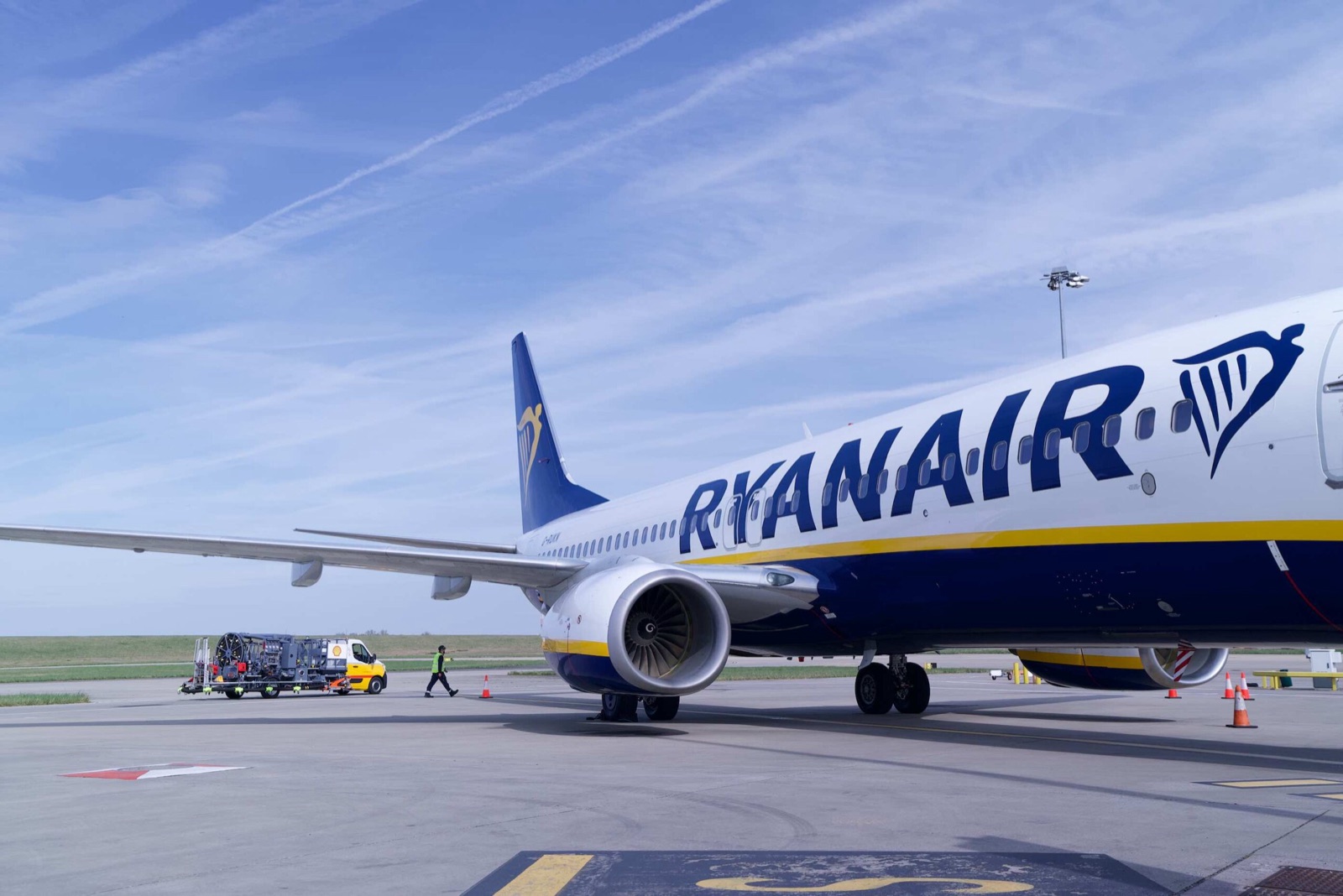
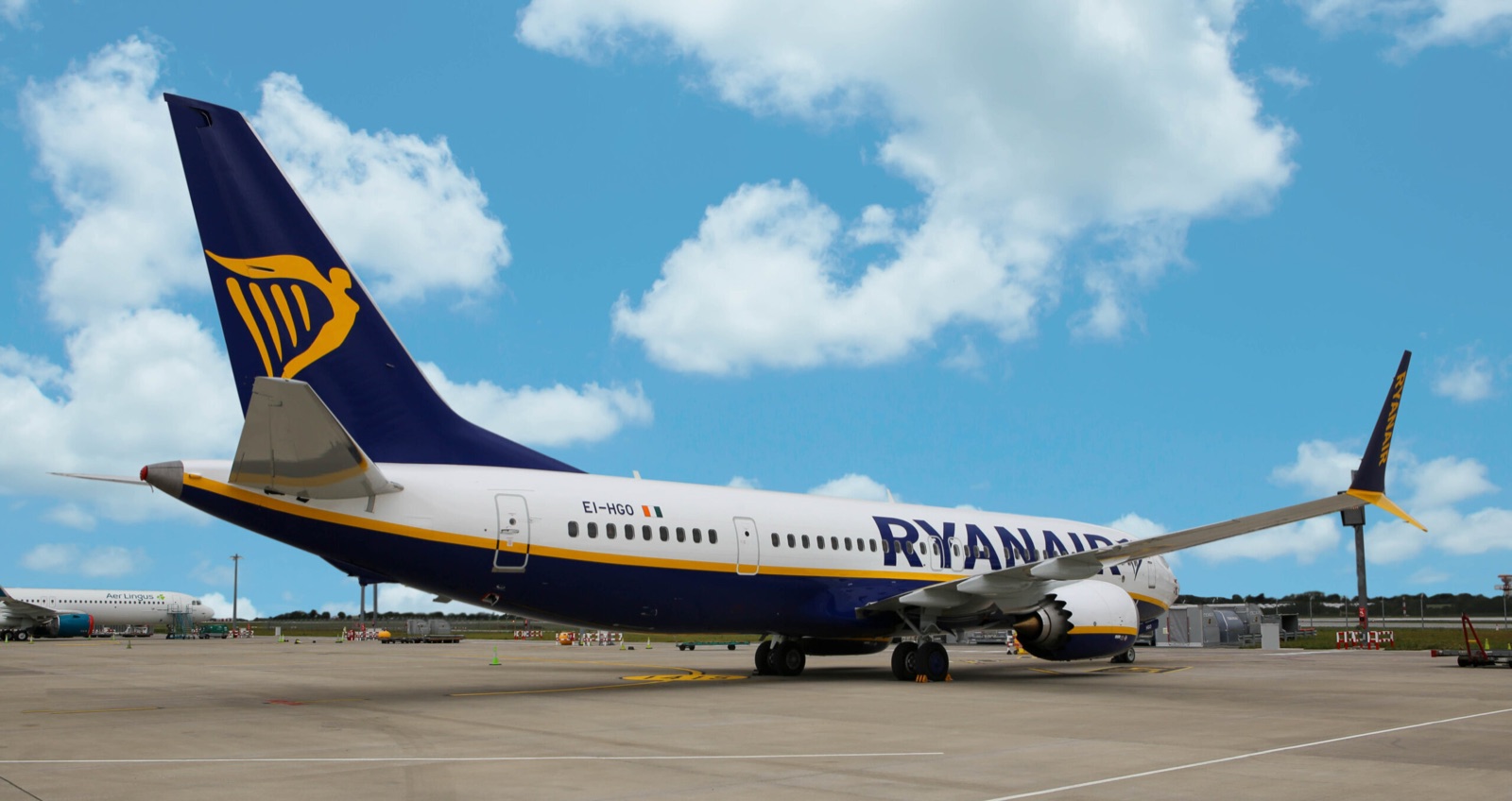
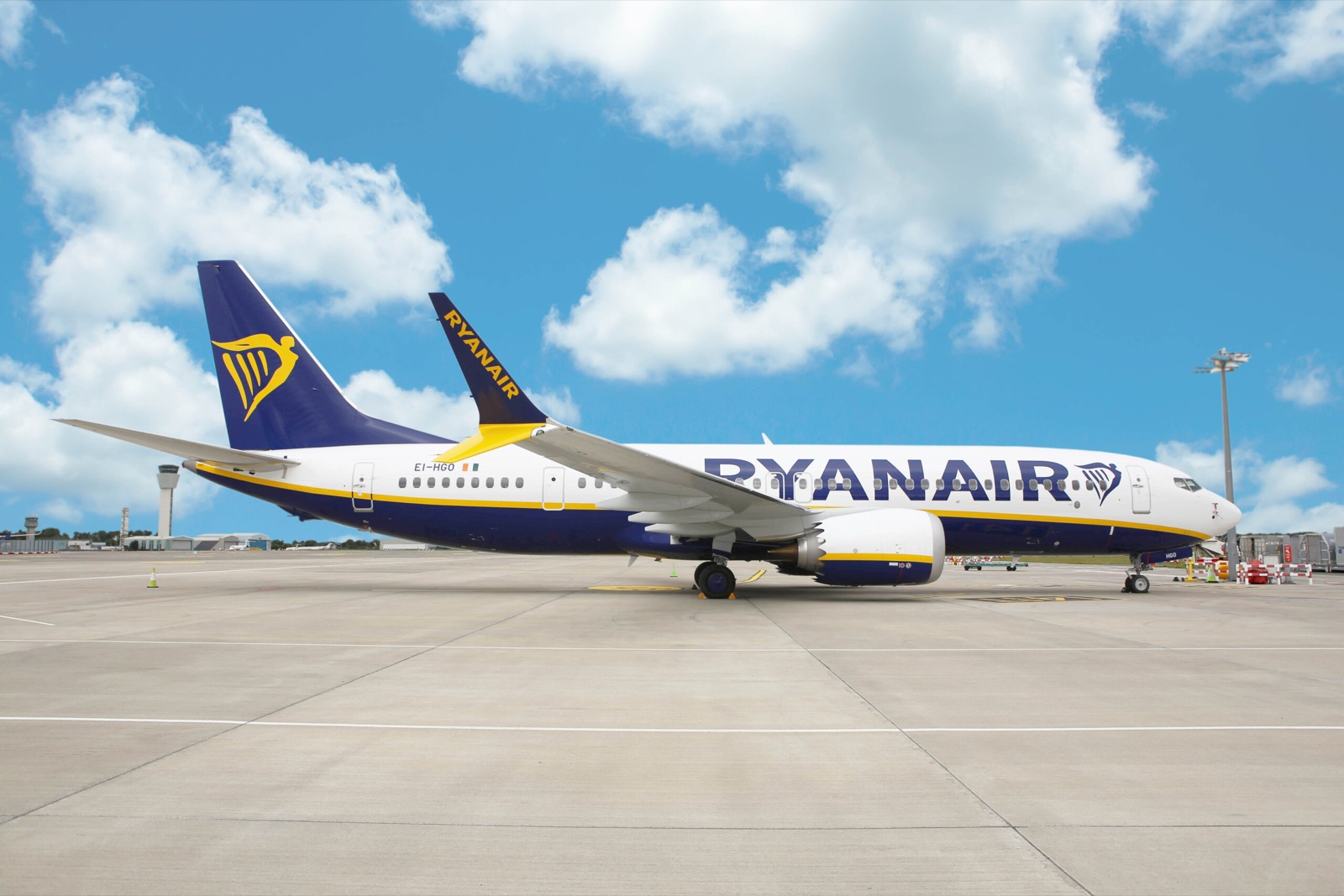
Ryanair's 647 covers five airlines holding separate operating certificates: Ryanair DAC, Buzz, Malta Air, Lauda Europe and Ryanair UK. Passengers mostly see one brand and one booking site, but the aircraft on a given route may belong to any of the five. The Q1 FY27 presentation splits the fleet into 411 Boeing 737-800/-700s (the split between those two is not published), 210 Boeing 737-8200s and 26 Airbus A320s flown by Lauda Europe. So the group known for its single aircraft family carries some Airbuses in its count.
Ryanair describes a model where the ticket covers the seat and one small under-seat bag, with larger bags, seat choice and other items sold separately. It suits travellers who pack light and are relaxed about which airport they use. London Stansted is its largest base (see the Stansted departures board), followed by Dublin, with Milan Bergamo the other main base.
easyJet's 356 also counts a group: easyJet UK, easyJet Europe and easyJet Switzerland. The half-year report lists 79 A319s, 180 A320ceos, 75 A320neos and 22 A321neos, of which 208 were owned and 148 leased. The company puts weight on primary airports rather than secondary ones, and every passenger gets an allocated seat. It suits people who want to land at the main city airport and are happy to pay for extras such as a larger cabin bag.
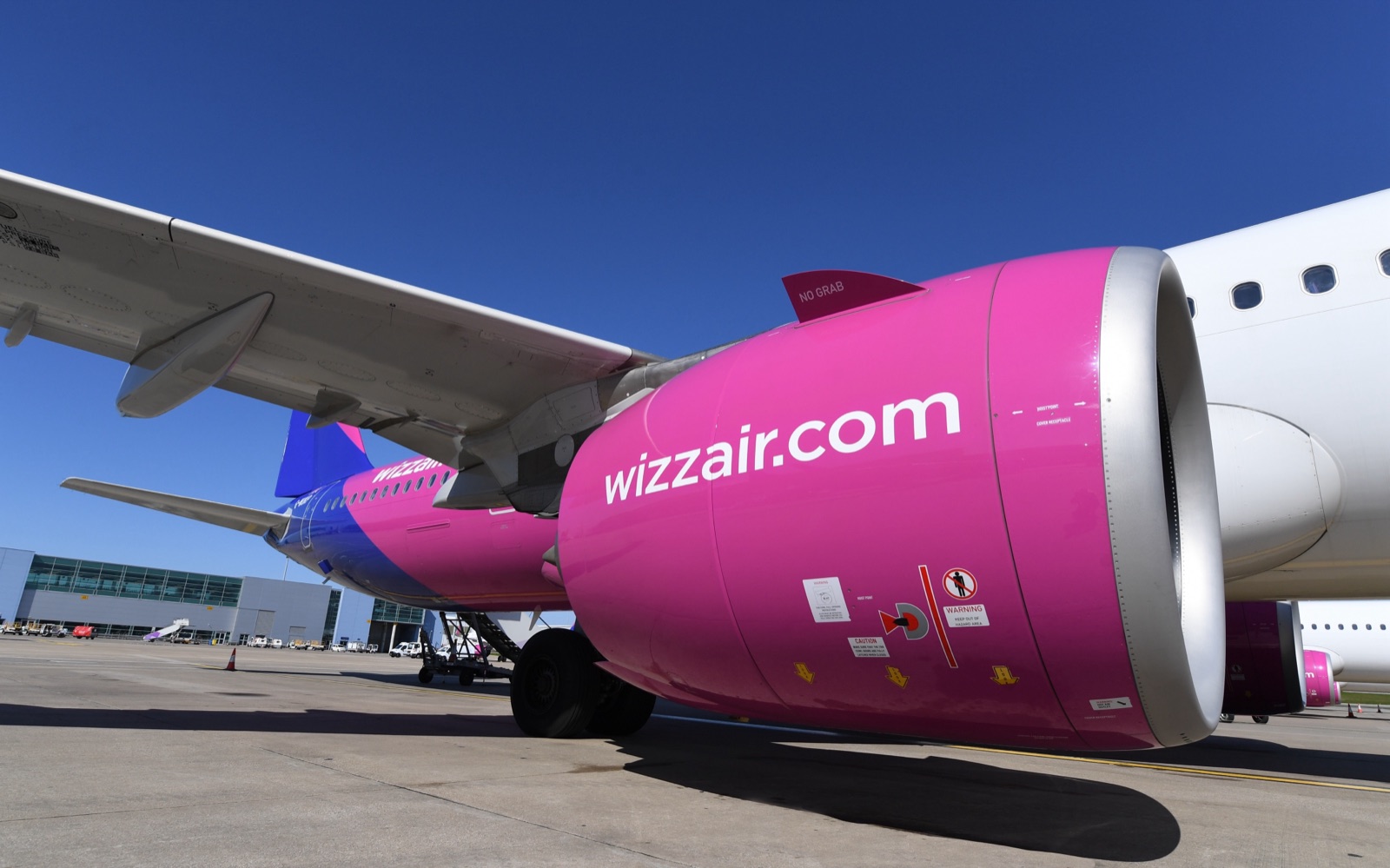
Wizz Air's 276 covers Wizz Air Hungary, Wizz Air UK and Wizz Air Malta, all flying Airbus A320 and A321 aircraft (the release does not give the split). One caveat matters here: the inspection programme for the Pratt & Whitney PW1100G engine has kept part of the fleet on the ground since 2024, and the headline count includes those grounded aircraft. Its largest bases are Budapest, Bucharest Henri Coandă and London Luton, so it suits travellers in central and eastern Europe and those flying from Luton.
Airline-only totals further down the list
Vueling's 142 comes from Wikipedia's fleet table rather than an airline report, and is the oldest figure here. Press reports from January 2026 put the fleet at about 140 Airbus aircraft. Vueling belongs to International Airlines Group, but this count is Vueling alone. It suits travellers starting from Barcelona and those who collect Avios, which its Vueling Club earns and spends.
Pegasus Airlines reported 131 aircraft at 30 June 2026: 70 A321neos, 46 A320neos, 6 A320ceos and 9 Boeing 737-800s. That figure predates a significant change. On 1 October 2026 Pegasus completed its purchase of Czech Airlines and its subsidiary Smartwings, and the 131 does not include them. Pegasus suits travellers using Istanbul Sabiha Gökçen, its main base, and those flying across Turkey.
Norwegian's 95 Boeing 737s at 30 June 2026 include 36 737 MAX 8s. The group has owned the regional airline Widerøe since January 2024, and its second-quarter report lists a further 50 aircraft in the Widerøe fleet. Those are not in the 95. Norwegian suits travellers in Norway, the other Nordic countries and Finland.
Eurowings is the trickiest. Wikipedia's table for May 2026 lists 90 aircraft but covers Eurowings GmbH only, excluding Eurowings Europe, which flies from bases in other European countries under the same brand. The company's own page puts the total at around 100. Eurowings calls itself a value carrier rather than an ultra-low-cost one, and it suits German travellers and anyone collecting Miles & More.
Transavia's 53 (20 A321neos and 33 Boeing 737s) covers the Dutch airline wholly owned by KLM. Transavia France flies from Paris-Orly under the same brand and website but has its own fleet, which is not counted. The Dutch airline suits travellers using Amsterdam Schiphol, Rotterdam The Hague, Eindhoven and Brussels.
Dates, sources and fleets in transition
Six of these figures come from the airlines' own reports. Vueling's and Eurowings' come from Wikipedia. Wikipedia can be a useful guide, but it sits a step away from the airline, and in Eurowings' case it is explicit that part of the operation is left out.
Fleets also move between reporting dates. Transavia shows this neatly: Wikipedia recorded 52 aircraft on 1 October 2026, and the airline's own release gave 53 on 19 October 2026 after its 20th A321neo arrived.
Several of these airlines are also changing aircraft type, which will reshape their counts over the coming years:
- Ryanair ordered 150 Boeing 737 MAX 10s in May 2023, with options on 150 more, for delivery between 2027 and 2033.
- easyJet's agreement with Airbus covers 157 further aircraft, 56 A320neos and 101 A321neos, for delivery from 2029.
- Wizz Air has set a target of an all-neo fleet of 335 aircraft for its 2030 financial year.
- Vueling has been allocated 50 Boeing 737 MAX aircraft and says it intends to move to an all-Boeing fleet.
- Eurowings is due to receive 40 Boeing 737-8 MAX aircraft from 2027.
- Transavia, moving the other way from Boeing to Airbus, expects to complete its switch in 2031.
For a traveller choosing between these airlines on a regular route, none of this changes much in the short term. The network, the base airport and the bag rules on each airline's profile will tell you more than the fleet total.
Our take
On any reading of these figures, Ryanair runs the largest low-cost fleet in Europe, and its 647 sits well clear of easyJet's 356. Below that, our view is that the ranking should be read as a rough order rather than a precise one.
easyJet's 356 is ahead of Wizz Air's 276, but the two figures were taken at different dates and Wizz Air's includes grounded aircraft. Further down, a group-wide count for Pegasus after its Czech purchase, for Norwegian with Widerøe, or for Transavia with its French sister would each tell a different story from the airline-only figures we hold. That is not a flaw in the airlines' reporting. They are answering different questions.
The honest comparison is the one that states its basis: which companies are in the number, and on what date. We think that matters more than the order itself. And once you have settled on an airline and a route, you can compare options on our Book Flights page.
Flying with Ryanair?
Compare Ryanair fares with our booking partner.We may earn a commission when you book through links on this site — this never affects the price you pay.How we earn money
Sources
- 1Ryanair: Airline report (Q1 FY27 presentation)Fleet figure · As of 30 June 2026
- 2easyJet: Airline reportFleet figure · As of 31 March 2026
- 3Wizz Air: Airline reportFleet figure · As of 2 October 2026
- 4Vueling: WikipediaFleet figure · As of 1 August 2025
- 5Pegasus Airlines: Airline reportFleet figure · As of 30 June 2026
- 6Norwegian: Airline reportFleet figure · As of 30 June 2026
- 7Eurowings: WikipediaFleet figure · As of 1 May 2026
- 8Transavia: Airline reportFleet figure · As of 19 October 2026
- 9Photo: Ryanair press officePhoto
Spotted something out of date? Tell us.